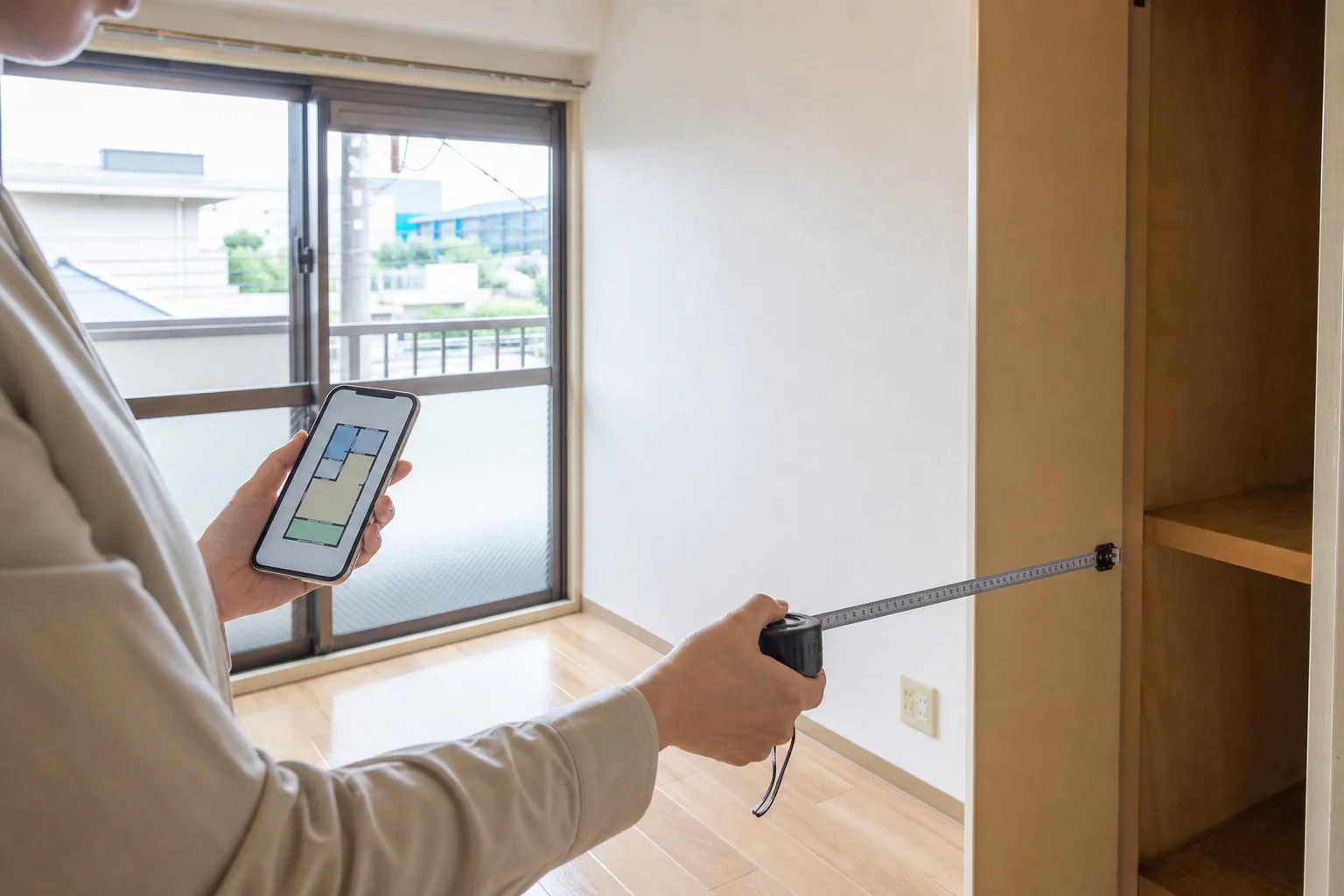

The first week after moving to Japan can put housing, city-office items, phone and internet setup, payments, commuting, shopping, and work or school details into the same small window. Trying to finish everything at once can make it harder to see what actually needs a decision.
This article is a practical organizing note, not an official procedure guide. Deadlines, required documents, eligibility, contract terms, and support options depend on your address, status, employer or school, housing contract, municipality, and service providers. Use it to separate what you know, what you still need to check, and who can confirm it.
Start by making places to verify, not a perfect to-do list
Right after arrival or move-in, you may be tired and still facing important decisions. Start by separating items into three groups: what must work today, what should be checked this week, and what can wait until you understand the conditions. The useful output is not a long completed list. It is knowing where to ask next.
A simple four-column memo works well: housing and move-in basics, public or administrative checks, daily-life items such as communication and payments, and work or school items. Keeping these columns separate helps prevent a general search result from being mistaken for instructions that apply to you.
- Write the contact point, the unknown item, and the next question on the same line
- Keep housing, public-office items, daily setup, and work or school in separate columns
- Confirm deadlines and documents with the municipality, employer, school, contract counterparty, or official notice that applies to you
For the first day at home, check keys and basic living flow
After entering the room, check the keys, management-company contact, emergency contact method, mailbox, delivery rules, garbage area, and the current status of electricity, gas, water, and internet before opening every box. If a fixture or appliance is unclear, avoid guessing and return to the move-in documents or building instructions.
Record damage, missing explanations, and anything you do not know how to operate with the date. Costs, repairs, prohibited actions, shared-space rules, and move-out restoration conditions vary by property and contract, so treat them as items to confirm with the lease documents, move-in guide, management company, or landlord-side contact.
- Keep keys, management contacts, emergency contacts, and building rules in one note
- Check mailbox, delivery, garbage disposal, and shared-space instructions
- Record utility and internet status plus any fixture you do not understand
Keep public-office and status-related checks in one place
Address-related items, identity confirmation, health insurance, pension, tax, and similar matters need information that matches your own situation and local municipality. Instead of copying a generic checklist, create a place to collect the city-office pages, official windows, employer or school notices, and questions that apply to you.
A search result may be helpful background, but it may not be the instruction for your case. Record the municipality name, office name, page or document you checked, date checked, and what you still need to ask. Leaving a blank field is less useful than marking it clearly as unknown.
- Separate address-related checks by municipality, public office, employer, or school
- Return to the relevant window for insurance, pension, tax, and status-related questions
- Record the document or page checked, the date, and the next question
Treat communication, payments, and transport as daily-life setup
Mobile phone service, home internet, banking, payment methods, transit IC cards, commuting routes, groceries, meals, medicine, clinics, and emergency contacts are daily-life checks. Keep them separate from public-office items and divide them into what affects today, what needs confirmation this week, and what can be compared later.
Eligibility, pricing, identity checks, payment methods, activation timing, and service conditions differ by provider. Once you find a candidate service, verify the current display, contract documents, shop guidance, or customer-support information before treating it as available for you.
- Separate mobile phone, Wi-Fi, banking, and payment methods by provider or account
- Check commuting routes, transit IC use, and nearby shopping as part of your weekly flow
- Record clinics, medicine, and emergency contacts with language and opening-hour notes where relevant
Put work or school first-week details by contact point
For work or school, confirm the first-day location, start time, items to bring, main contact, absence or delay contact method, and commute route. During the first week, small communication gaps can become stressful, so identify where official messages arrive: email, portal, chat, paper handout, or another channel.
Employment terms, school procedures, immigration status, tax, and insurance questions should return to the employer, school, or public office rather than a general article. When asking, include the document name you received, the date you checked it, and the exact point you need clarified.
- Confirm first-day location, start time, required items, and contact person
- Check the formal method for delay, absence, and emergency communication
- Return employment, school, tax, insurance, and status-related items to the responsible window
Use related notes for narrower housing and moving checks
If you need to break housing and setup into smaller checks, the Japanese Kininaru-Korner library has related notes. For the first night after moving, see the first-night moving note. For keeping city-office and utility items separate, see the public-office and utility order note.
For room hunting or unresolved move-in questions, the room-viewing follow-up note and apartment-viewing checklist help separate impressions, contract-related questions, and daily living flow. Use only the sections that match your situation instead of trying to make one article cover everything.
- First night after moving: first-night moving note
- Public-office and utility order: public-office and utility order note
- Unresolved room-search questions: room-viewing follow-up note
If you need the first month, expand the memo into a planner
If you are arriving from overseas or trying to coordinate work, housing, and first-month setup at the same time, extend the first-week memo into a first-month view. Put arrival date, first work or school date, key handover, public-office checks, banking, phone or internet setup, and commute setup into separate fields.
JapanStay is a one-time purchase planner for organizing sponsored job relocation and early-life setup. It is not immigration advice, legal advice, public-procedure handling, contract advice, or job placement. Important conditions should be checked with official sources, employer or school notices, housing documents, and the service providers you actually use.
- Put arrival date, first work or school date, and key handover in one timeline
- Keep public-office items, banking, phone, internet, and commuting in separate fields
- Send decision-heavy items back to official sources and individual notices
Source review
Sources and review notes
This English adaptation keeps the Japanese article's organizing purpose while avoiding procedural claims about deadlines, documents, eligibility, immigration, tax, insurance, banking, housing, or communication contracts. Readers should verify current conditions with the municipality, public office, employer, school, housing contact, and service provider that applies to their situation.
Last reviewed:
- OfficialMunicipal and public-office guidance for the reader's address
Address, identity, insurance, pension, tax, and related checks depend on the reader's location and conditions
- PrimaryIndividual notices from employer, school, housing provider, or management company
First-day instructions, building rules, move-in conditions, and contact methods should be confirmed from the documents issued to the reader
- PrimaryCurrent displays from banks, communication providers, transit services, and daily-life service providers
Eligibility, pricing, identity checks, payment methods, activation timing, and use conditions should be confirmed directly